

Home & Kitchen
The Best Block Planes: 4 Compared for Fine Woodworking
Four block planes compared on blade geometry, adjustment and size, with separate picks for a first workshop plane and a light apron tool.
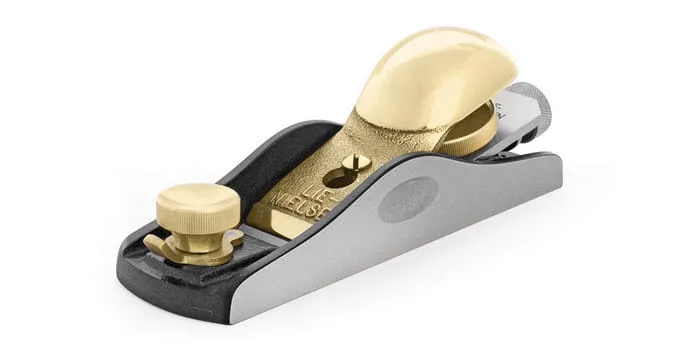
The short version
Choose the Lie-Nielsen No. 60-1/2 for a premium first block plane. The WoodRiver 151125W is our value choice, with comparable nominal cutting geometry and an adjustable mouth. The Veritas Apron Plane suits light fitting work and frequent carrying. We specify its O1 version here. Skip the Stanley 1-12-220 for this particular first-tool purchase if low-angle geometry and documented mouth adjustment are priorities. Best for: woodworkers fitting joints and trimming small surfaces by hand.
Our picks at a glance
- Lie-Nielsen No. 60-1/2 Low Angle Adjustable Mouth Block Plane - Buy. Our premium choice for an adjustable-mouth plane with a compact body.
- WoodRiver Low Angle Block Hand Plane 151125W - Buy. The value choice if you want a low bed and adjustable mouth in a larger body.
- Veritas Apron Plane with O1 Blade 05P27.01 - It depends. A small plane for light trimming and carrying around the shop.
- Stanley 220 Adjustable Block Plane 1-12-220 - Skip. Skip as a first fine-work plane if you want the low bed and mouth control of our main picks.
The verdict in 30 seconds
What mattered most
- Exact version
- Blade bed
- Supplied bevel
- Mouth control
- Blade steel
- Blade width
A block plane earns its place trimming an edge, fitting a joint or taking a small shaving off end grain. For a first fine-woodworking plane, we favor a low blade bed and an adjustable mouth. This is a comparison of manufacturer specifications and instructions, not a hands-on test. Our recommendations concern suitability for that job; we have not measured finish quality, adjustment backlash or edge life.
Our premium choice for an adjustable-mouth plane with a compact body.
Best for: A first premium block plane for fitting and end-grain trimming.
- A movable front shoe adjusts the mouth opening.
- The supplied A2 blade sits on a 12-degree bed.
- The body is 6-1/4 inches long.
- Premium spending for a small hand tool.
- The blade still needs honing to suit the work.
- Its short sole is for local trimming, not establishing a long straight edge.
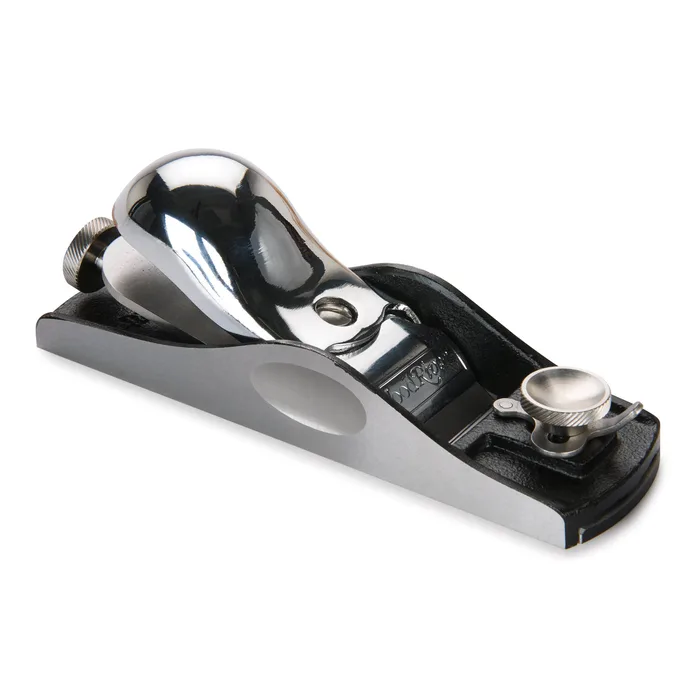
The value choice if you want a low bed and adjustable mouth in a larger body.
Best for: A first workshop block plane when spending and versatility matter more than pocket size.
- The mouth opening is adjustable.
- A 12-degree bed and supplied 25-degree bevel provide low-angle geometry.
- A rear adjuster controls blade projection.
- Woodcraft recommends sharpening before use.
- The 7-inch body deserves a grip check before buying.
- The wider blade is unnecessary for very small edge-breaking jobs.

A small plane for light trimming and carrying around the shop.
Best for: Light fitting work when a small tool is more useful than a larger adjustable-mouth plane.
- The maker lists a weight of 14 ounces.
- One mechanism controls blade feed and lateral alignment.
- Side wings provide a place to grip the body.
- The narrow blade takes less width in a full-width pass.
- The manual provides no mouth-adjustment procedure.
- This comparison specifies O1; A2 and PM-V11 are different purchase options.
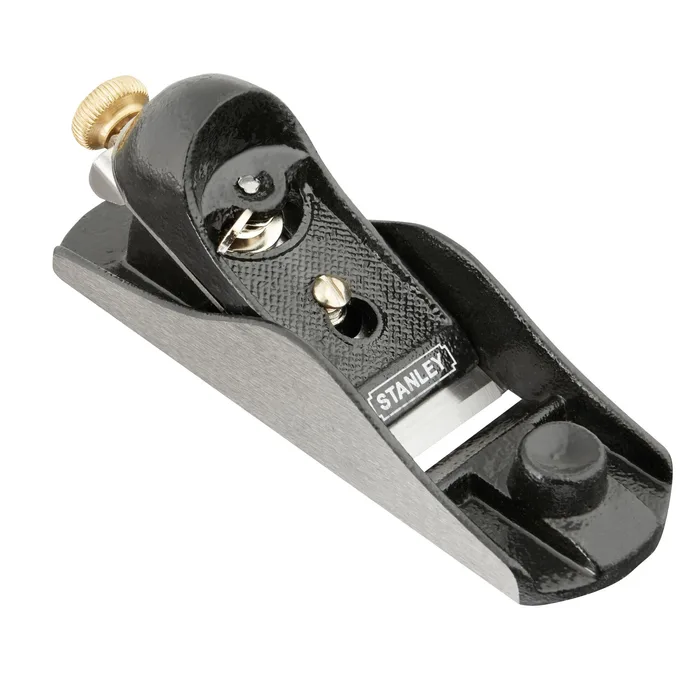
Skip as a first fine-work plane if you want the low bed and mouth control of our main picks.
Best for: Occasional trimming if you already own one and it takes a satisfactory shaving.
- The cutter can be adjusted for shaving thickness and alignment.
- The maker lists a cast-iron base with ground working surfaces.
- A front finger rest provides another contact point.
- Its 21-degree bed is higher than the other three in this comparison.
- The product page does not document an adjustable mouth.
- The regional specification table has conflicting size and weight entries.
| Criteria | No. 60-1/2 Low Angle Adjustable Mouth Block Plane | Low Angle Block Hand Plane 151125W | Apron Plane with O1 Blade 05P27.01 | 220 Adjustable Block Plane 1-12-220 |
|---|---|---|---|---|
| Verdict | Buy it | Buy it | It depends | Skip it |
| Best for | A first premium block plane for fitting and end-grain trimming. | A first workshop block plane when spending and versatility matter more than pocket size. | Light fitting work when a small tool is more useful than a larger adjustable-mouth plane. | Occasional trimming if you already own one and it takes a satisfactory shaving. |
| Price tier | $$$ · premium | $$ · mid-range | $$ · mid-range | $ · budget |
| Exact version | No. 60-1/2 | 151125W | 05P27.01, O1 | 1-12-220 |
| Blade bed | 12 degrees | 12 degrees | 12 degrees | 21 degrees |
| Supplied bevel | 25 degrees | 25 degrees | 25 degrees | Not unambiguously stated |
| Mouth control | Movable front shoe | Adjustable | No adjustment documented | No adjustment documented |
| Blade steel | A2 | High-carbon tool steel | O1 | Chrome-carbon alloy steel |
| Blade width | 1-3/8 inches | 1-5/8 inches | 1-1/4 inches | 40 mm replacement listed |
| Body length | 6-1/4 inches | 7 inches | 5-5/8 inches, product page | Conflicting published entries |
| Primary role | Premium workshop trimming | Value workshop trimming | Light apron carry | Occasional general trimming |
Which one is right for you?
- A first premium block plane for fitting and end-grain trimming. Buy it Lie-Nielsen No. 60-1/2 Low Angle Adjustable Mouth Block Plane
- A first workshop block plane when spending and versatility matter more than pocket size. Buy it WoodRiver Low Angle Block Hand Plane 151125W
- Light fitting work when a small tool is more useful than a larger adjustable-mouth plane. It depends Veritas Apron Plane with O1 Blade 05P27.01
- Occasional trimming if you already own one and it takes a satisfactory shaving. Skip it Stanley 220 Adjustable Block Plane 1-12-220
How we judged the field
We considered cutting geometry, mouth control, blade adjustment, working size and sharpening requirements. These features help explain which plane suits a job, but specifications cannot establish how smoothly a particular sample adjusts or how its grip feels. The verdicts below are editorial judgments from the linked manufacturer material, checked on September 15, 2026. We did not perform cutting trials.
The field includes two adjustable-mouth workshop choices, a smaller apron plane and a budget general-purpose model. We compare the named configurations rather than treating every blade option as interchangeable. For disputed dimensions we show the uncertainty instead of choosing a convenient number. The priority is a first plane for fitting and fine trimming; an owner who already gets good results has a different buying decision.
Lie-Nielsen No. 60-1/2 Low Angle Adjustable Mouth Block Plane - buy
The No. 60-1/2 is our premium pick because it combines a compact body with control over the mouth opening. That is a practical combination for someone who wants one block plane to move between small fitting cuts and more substantial trimming. The purchase still includes learning to sharpen, set projection and read the grain. We would not justify the extra spending by promising a better finish than the WoodRiver: we have no controlled cutting results that support that claim. We would justify it if the smaller format and this adjustment layout suit your hand and work. Inspect the exact plane when possible, and follow the maker’s setup instructions before judging its first cut. For an established sharpening routine and a preference for a compact workshop tool, this is the premium choice we would shortlist.
WoodRiver Low Angle Block Hand Plane 151125W - buy
The WoodRiver makes sense when an adjustable mouth is a priority and the larger body is comfortable to hold. It preserves the same nominal bed-and-bevel combination as the premium pick, so the price tier alone is not a reason to expect different cutting geometry. Its wider blade may help when you want to cover more of a small surface in one pass, though it offers little benefit when you are only easing an edge. Treat sharpening as part of setup: Woodcraft explicitly tells buyers to sharpen before use. We would allocate some of the budget to that process before paying more for a different plane. There is no hands-on adjustment or finish comparison behind our value verdict. It rests on the documented features and the likely needs of someone buying a first workshop block plane.
Veritas Apron Plane with O1 Blade 05P27.01 - it depends
The apron plane answers a different question: how small a plane would you actually keep nearby while fitting parts? Its compact format is the reason to consider it alongside the larger tools. We selected the O1 configuration so that the pictured plane, blade specification and buying choice stay aligned. A2 and PM-V11 versions should be evaluated as separate options. The maker’s manual explains feed and lateral adjustment, but does not describe a mouth control; buyers who specifically want that feature should choose one of the two main picks. A smaller plane also deserves a hand-fit check, particularly if you expect prolonged use. We have not tested its balance or pocket comfort. Choose it for frequent light trimming where carrying and handling a small tool matter more than having the broader workshop feature set.
Stanley 220 Adjustable Block Plane 1-12-220 - skip
The Stanley deserves a scoped verdict. Its higher bed and lack of documented mouth adjustment make it our least attractive first purchase for the fine-work brief used here. That does not show that it produces a bad surface. Stanley itself describes end-grain trimming among its uses, and a sharpened, properly adjusted example may be entirely adequate for occasional work. We also would not infer machining quality from the low spending tier. The more concrete buying problem is knowing which features and dimensions you are getting: the regional page has inconsistent size and weight entries, which we have omitted. If you already own this plane, evaluate its cut before replacing it. If you are buying a first plane specifically for fine fitting, our preference is to spend toward the documented controls on the main picks.
Lie-Nielsen No. 60-1/2 Low Angle Adjustable Mouth Block Plane vs WoodRiver Low Angle Block Hand Plane 151125W: which should you buy?
Start with hand fit. The Lie-Nielsen is shorter, while the WoodRiver provides a wider blade. For small joint adjustments, the extra width may never matter; for broader trimming, it may be useful. Both provide mouth adjustment, and both start with the same nominal blade geometry.
Choose the WoodRiver when those shared features meet the job and you are comfortable doing initial sharpening. Choose the Lie-Nielsen when its smaller body and adjustment layout make the premium worthwhile to you. We cannot settle grip comfort or comparative machining quality from specification sheets. The block-plane guide explains the controls to check in person.
What to look for
- Cutting angle: Read the bed and the edge bevel together on a bevel-up plane.
- Mouth control: Look for an explicit adjustment mechanism, not just the word adjustable in the title.
- Hand fit: Hold the plane in the grip you will use for fitting work.
- Blade setup: Include sharpening and a test cut in the first-use process.
- Exact variant: O1, A2 and PM-V11 listings can describe the same body with different blades.
- Job size: Choose a bench plane when the task needs a longer reference surface.
Our final take
For a first fine-woodworking block plane, the adjustable-mouth choices are the easiest to recommend from the published features. The Lie-Nielsen is our premium pick, and the WoodRiver is the value option to handle before buying. The apron plane earns its place when a smaller tool fits the way you work. Keep the Stanley if it already does the job; our skip verdict applies to this particular new purchase. Across the field, reserve attention and budget for the cutting edge. Buying a more expensive body will not remove the need to sharpen, adjust and try a shaving on scrap.
Questions, answered
Which block plane should a beginner buy?
The WoodRiver is our value recommendation if its larger body feels comfortable. It includes the two features we prioritize for this purchase: a low bed and mouth adjustment. Leave room in the budget for sharpening equipment. A new plane still needs its edge and blade setting checked.
Does a 12-degree bed mean a 12-degree cutting angle?
No. In these bevel-up planes, the blade bevel adds to the bed angle. A 12-degree bed with a 25-degree bevel gives a nominal 37-degree cutting angle. Honing a steeper edge changes that geometry, as the Veritas apron-plane instructions explain.
Why would I need an adjustable mouth?
The opening must let the shaving pass. Lie-Nielsen recommends narrowing it for fine cuts and opening it for heavier work. That control is useful when one plane covers several trimming tasks. It does not replace a sharp edge or a suitable depth setting.
Can a block plane flatten a long board?
A block plane is a local trimming tool. For preparing long stock, choose a bench-plane setup suited to the board and task. A short sole does not offer the same reference length. Our comparison addresses small fitting cuts, not stock preparation.
Should I replace a Stanley 220 that I already have?
Try it on the actual work after sharpening and adjustment. The skip verdict is our purchase recommendation for a first fine-work plane, not a finding that the Stanley cannot cut end grain. Stanley explicitly lists end-grain trimming as a use. Replace it when a specific limitation affects your work, rather than because it sits in the budget tier.
Deciding between the top two? See our head-to-head: Lie-Nielsen No. 60-1/2 Low Angle Adjustable Mouth Block Plane vs WoodRiver Low Angle Block Hand Plane 151125W.
More Home & Kitchen reviews
 The Best Bread Machines: 4 Compared (and One to Skip)
  The Best Burr Coffee Grinders (2026): Honest Picks and One to Skip
  The Best Canister Vacuums: 4 Compared (and One to Skip)
  The Best Carbon Steel Frying Pans: 4 Compared (and One to Skip)
  The Best Carpet Cleaner Machines: 4 Compared (and One to Skip)
  The Best Cast Iron Skillets in 2026: Four Pans Compared